LED मा बदल्नु बिजुली बिल घटाउने सबैभन्दा सजिलो उपायमध्ये एक हो। नेपाली घरका लागि बचत वास्तवमा कस्तो देखिन्छ, यहाँ छ।
प्रकाश बिजुली बिल घटाउने सबैभन्दा सजिलो ठाउँमध्ये एक हो, किनकि LED ले पुराना बल्बकै काम गर्छ तर शक्तिको थोरै अंश मात्र प्रयोग गर्छ। घरमा अझै CFL वा इन्क्यान्डेसेन्ट बल्ब छन् भने, LED मा बदल्नु अचम्मसँग चाँडै आफैं फिर्ता हुन्छ।
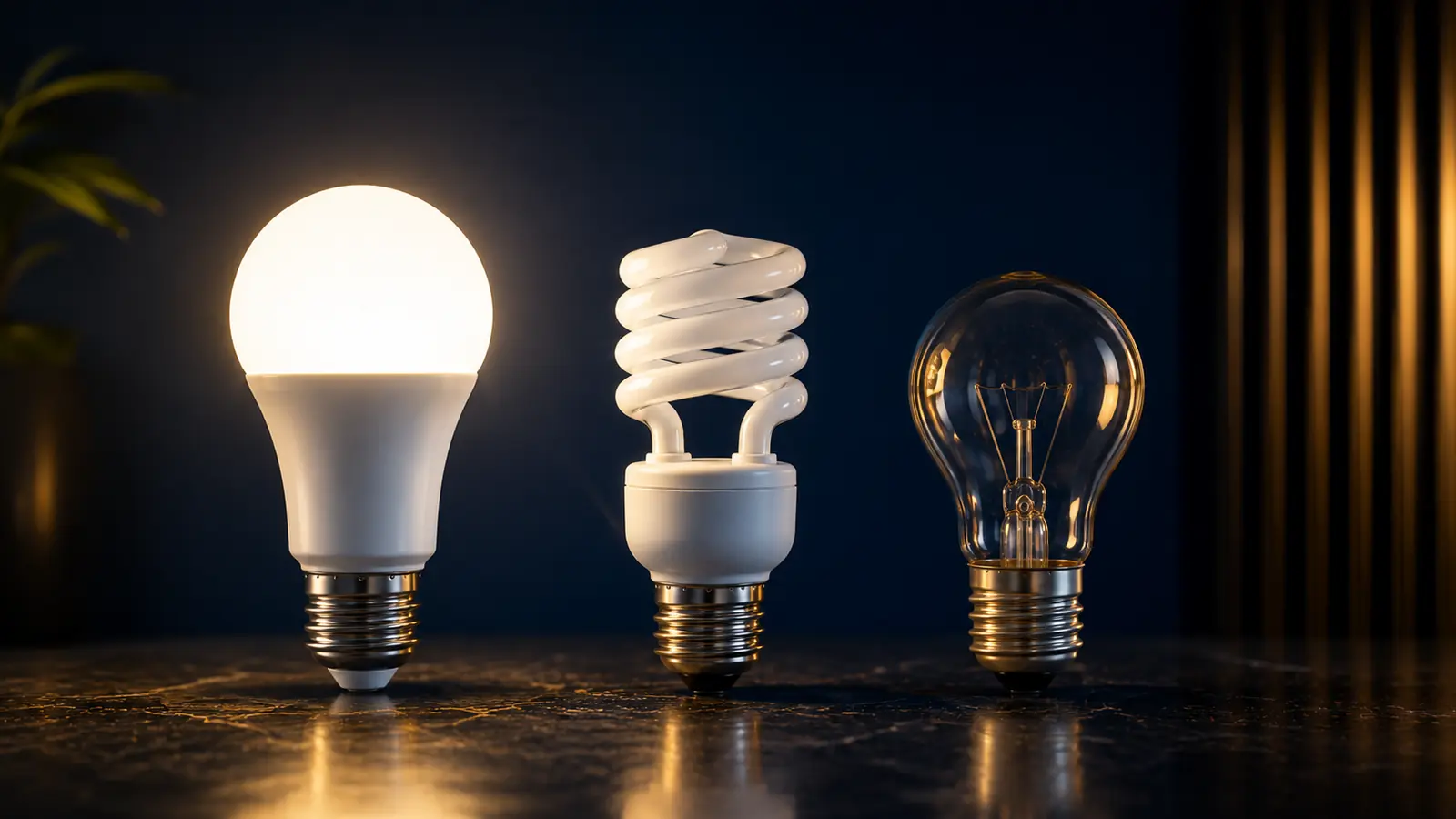
तीन प्रविधि एकै नजरमा
| बल्ब प्रकार | प्रयोग शक्ति | सामान्य आयु | सापेक्ष चल्ने लागत |
|---|---|---|---|
| इन्क्यान्डेसेन्ट | ~60W | ~1,000 घण्टा | सबैभन्दा बढी |
| CFL | ~15W | ~8,000 घण्टा | मध्यम |
| LED | ~8–9W | 25,000+ घण्टासम्म | सबैभन्दा कम |
LED ले इन्क्यान्डेसेन्ट बल्बभन्दा करिब 85% कम र उही प्रकाशका लागि CFL भन्दा करिब 40–50% कम ऊर्जा प्रयोग गर्छ — र यो धेरै लामो टिक्छ, त्यसैले तपाईं कम पटक फेर्नुहुन्छ।
व्यवहारमा बचत कस्तो देखिन्छ
दस वटा 60W इन्क्यान्डेसेन्ट बल्बलाई दस वटा 9W LED ले बदलेको कल्पना गर्नुहोस्। तपाईंले आफ्नो प्रकाश लोड 600W बाट 90W मा घटाउनुहुन्छ — करिब 85% कम। वर्षभरका साँझहरूमा, यो हरेक वर्ष, वर्षौंसम्म तपाईंको बिजुली बिलमा उल्लेखनीय कमी हुन्छ।
यो केवल ऊर्जा मात्र होइन
LED, CFL वा इन्क्यान्डेसेन्ट बल्बभन्दा धेरै गुणा लामो टिक्ने भएकाले, तपाईं प्रतिस्थापन र बल्ब फेर्ने झन्झटमा पनि बचत गर्नुहुन्छ — विशेषगरी पुग्न गाह्रो फिक्स्चरमा।
बिलभन्दा बाहिर LED किन जित्छ
- वार्म-अप छैन: CFL जस्तो समय लाग्दैन, तुरुन्तै पूर्ण चमक
- पारो छैन: CFL भन्दा सुरक्षित रूपमा प्रयोग र निष्कासन गर्न सकिन्छ
- कम ताप: चिसो चल्छ, जुन बढी आरामदायी र सुरक्षित छ
- टिकाउ: भाँचिने फिलामेन्ट वा सिसाको ट्युब छैन
बदल्ने तरिका
सबै कुरा एकैचोटि बदल्नु पर्दैन। सबैभन्दा धेरै प्रयोग गर्ने लाइटबाट सुरु गर्नुहोस् — बैठक, भान्सा र बाहिरी लाइट — जहाँ बचत सबैभन्दा बढी हुन्छ। HEAVEN LED बल्ब मानक B22 र E27 होल्डरमा मिल्छ, त्यसैले धेरैजसो बदल्नु बल्ब फेरेजत्तिकै सजिलो छ।
तपाईंको घरको हरेक बल्बका लागि ऊर्जा-कुशल प्रतिस्थापन खोज्न हाम्रो पूरा दायरा र मूल्य सूची हेर्नुहोस्।