Wattage no longer tells the whole story with LEDs. Here is a simple, room-by-room guide to picking the right brightness for your home in Nepal.
If you grew up buying 60W or 100W incandescent bulbs, picking an LED can feel confusing. A 9W LED can be brighter than an old 60W bulb — so wattage alone no longer tells you how much light you get. What matters now is brightness (measured in lumens) and the size of the room you want to light.
This guide keeps it simple. We will show you roughly how bright each room needs to be, and which HEAVEN LED bulb wattage gets you there without overspending on electricity.
Lumens, not watts: the one idea to remember
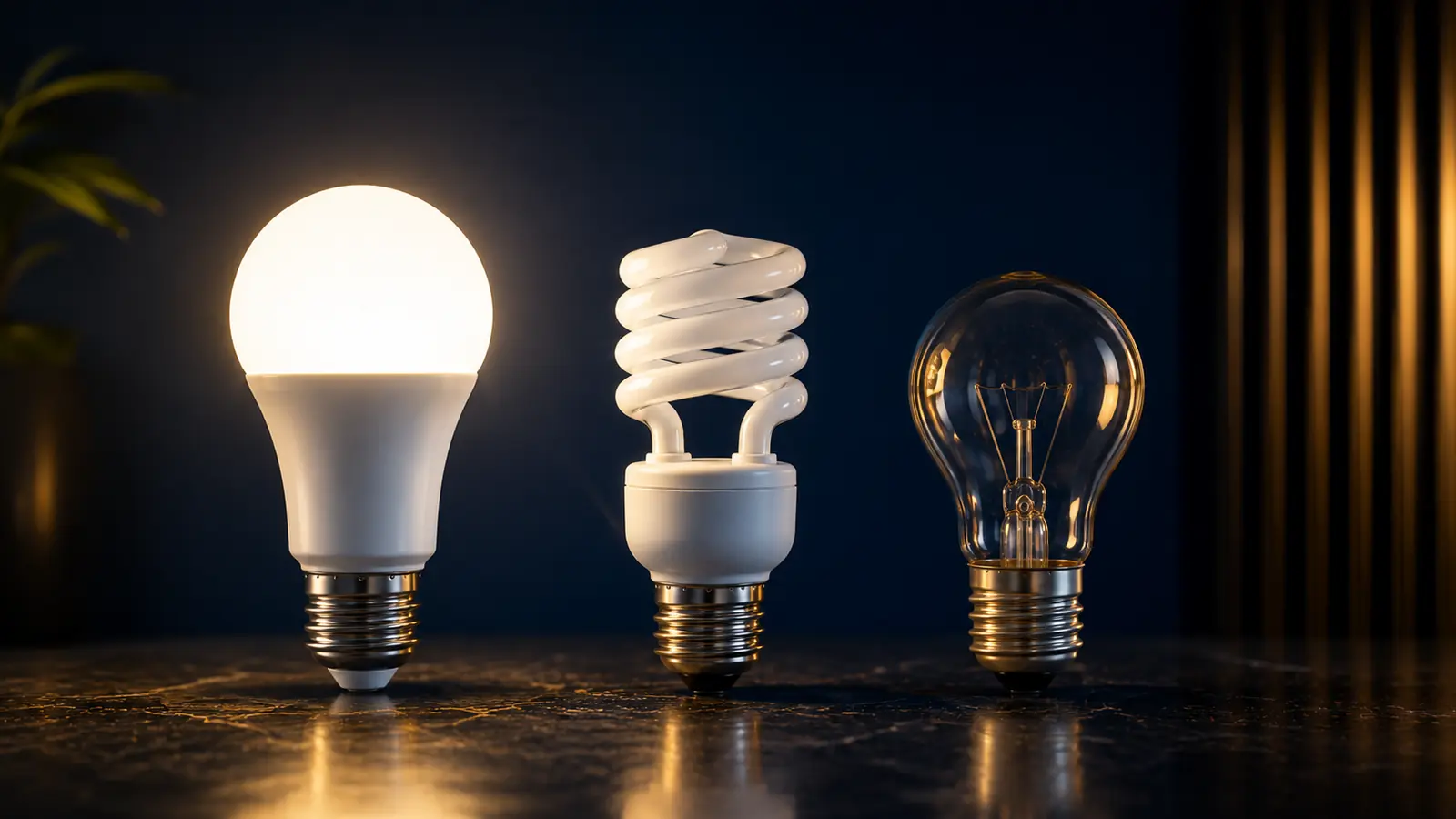
Watts measure how much power a bulb uses. Lumens measure how much light it produces. With LEDs you want enough lumens for the space, using as few watts as possible. As a rough guide, a quality LED produces around 90–100 lumens per watt.
| Old incandescent | Approx. brightness | Equivalent LED |
|---|---|---|
| 40W | ~450 lumens | 5W LED |
| 60W | ~800 lumens | 7–9W LED |
| 75W | ~1100 lumens | 9–12W LED |
| 100W | ~1600 lumens | 12–15W LED |
Room-by-room wattage guide
Bedrooms
Bedrooms benefit from soft, relaxing light. A single 7W–9W LED bulb is usually enough for a standard room. Choose a warm (3000K) or neutral (4000K) tone for a calmer feel before sleep.
Living room
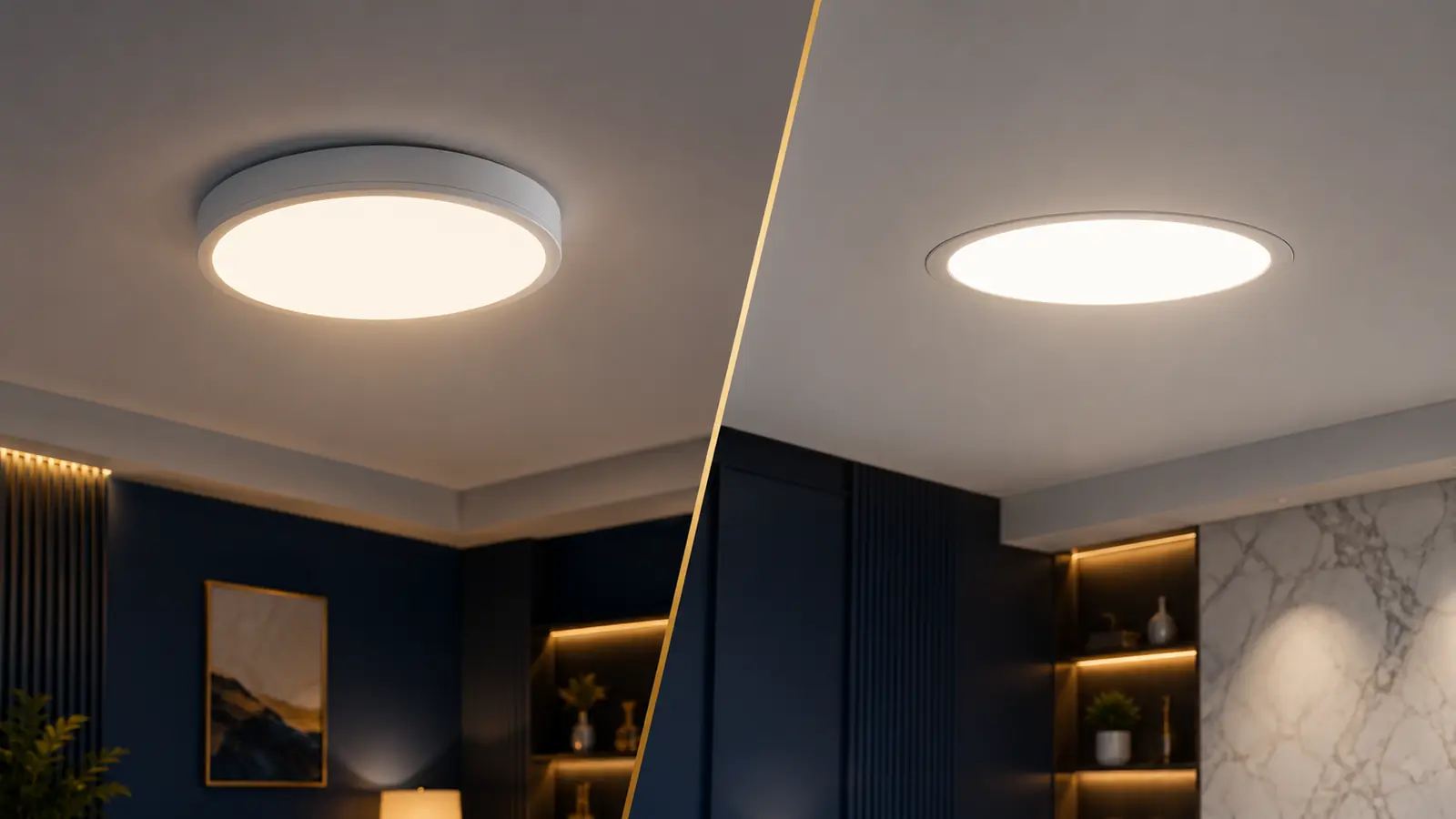
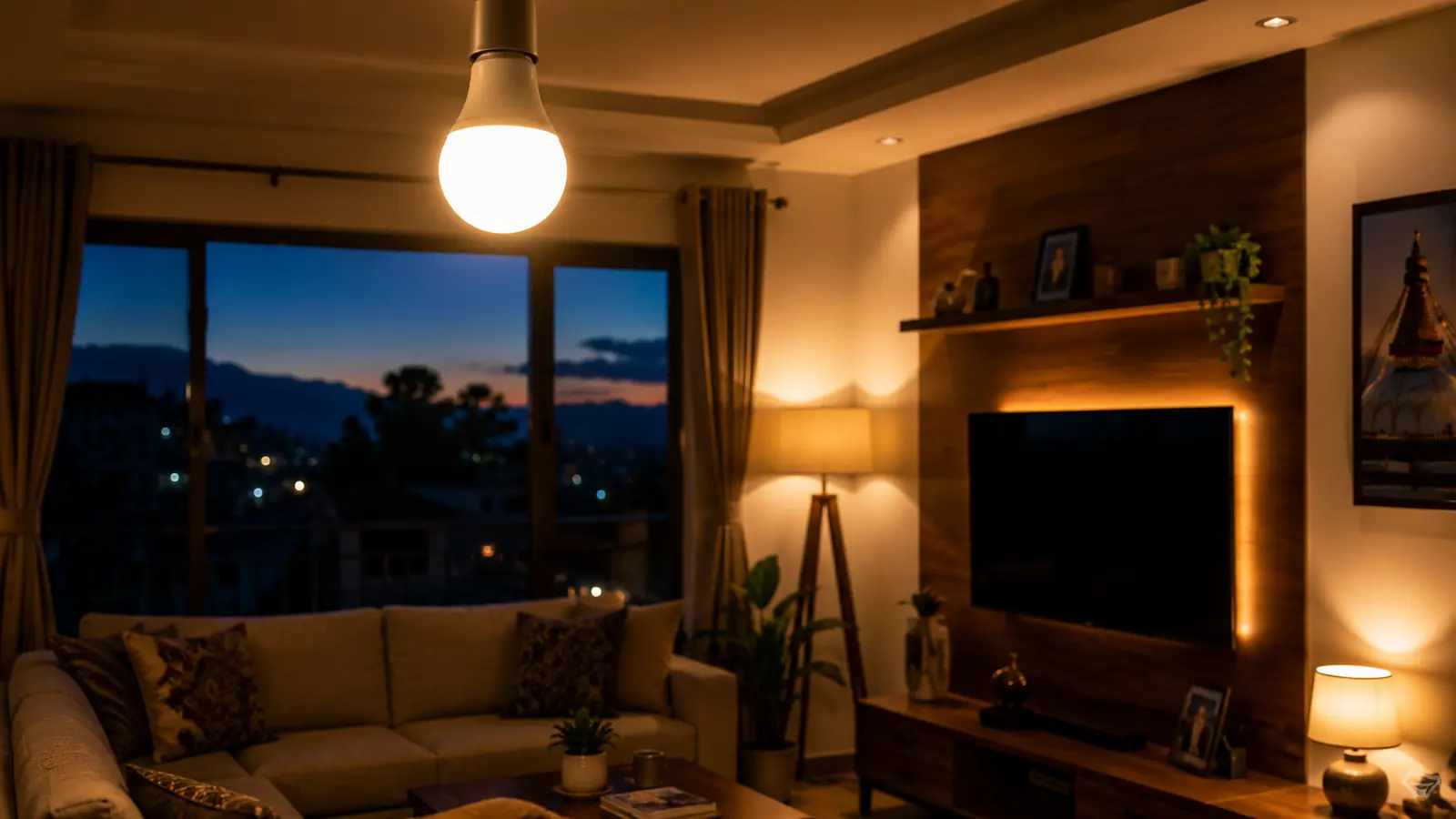
Living rooms are larger and used for many activities, so layer your light. A 12W ceiling bulb or panel light as the main source, plus smaller accent lights, works well. If you only use one fixture, go for 12W–15W.
Kitchen
Kitchens need bright, clear light for safe food prep. Use 9W–12W bulbs or panel lights, and prefer a cool daylight tone (6500K) so colours look accurate while you cook.
Bathroom
A 6W–9W LED is plenty for most bathrooms. Look for a moisture-tolerant fixture and a neutral-to-cool tone for grooming.
Study and work areas
For desks and study tables, brightness matters for focus and eye comfort. Use a 9W–12W bulb in a cool tone (6500K) overhead, ideally paired with a task lamp.
Quick rule of thumb
For a normal room, multiply the floor area in square feet by about 1.5 to estimate the lumens you need. A 100 sq ft bedroom needs roughly 1500 lumens — comfortably covered by a 15W LED or two 9W bulbs.
Do not forget colour temperature
Two bulbs with the same wattage can feel completely different depending on their colour temperature. Warm light (3000K) is cosy; daylight (6500K) is crisp and energising. We cover this in detail in our colour temperature guide.
The HEAVEN LED advantage
- Wide wattage range from 3W to 100W so you can light any space
- Multiple colour temperatures (3000K, 4000K, 6500K) on most models
- Works on Nepal's 85–300V supply, so flicker and early failure are reduced
- CE & RoHS certified, with up to 2-year warranty on A/T-shape bulbs
Still unsure which bulb fits your room? Message us on WhatsApp with your room size and we will recommend the right wattage.